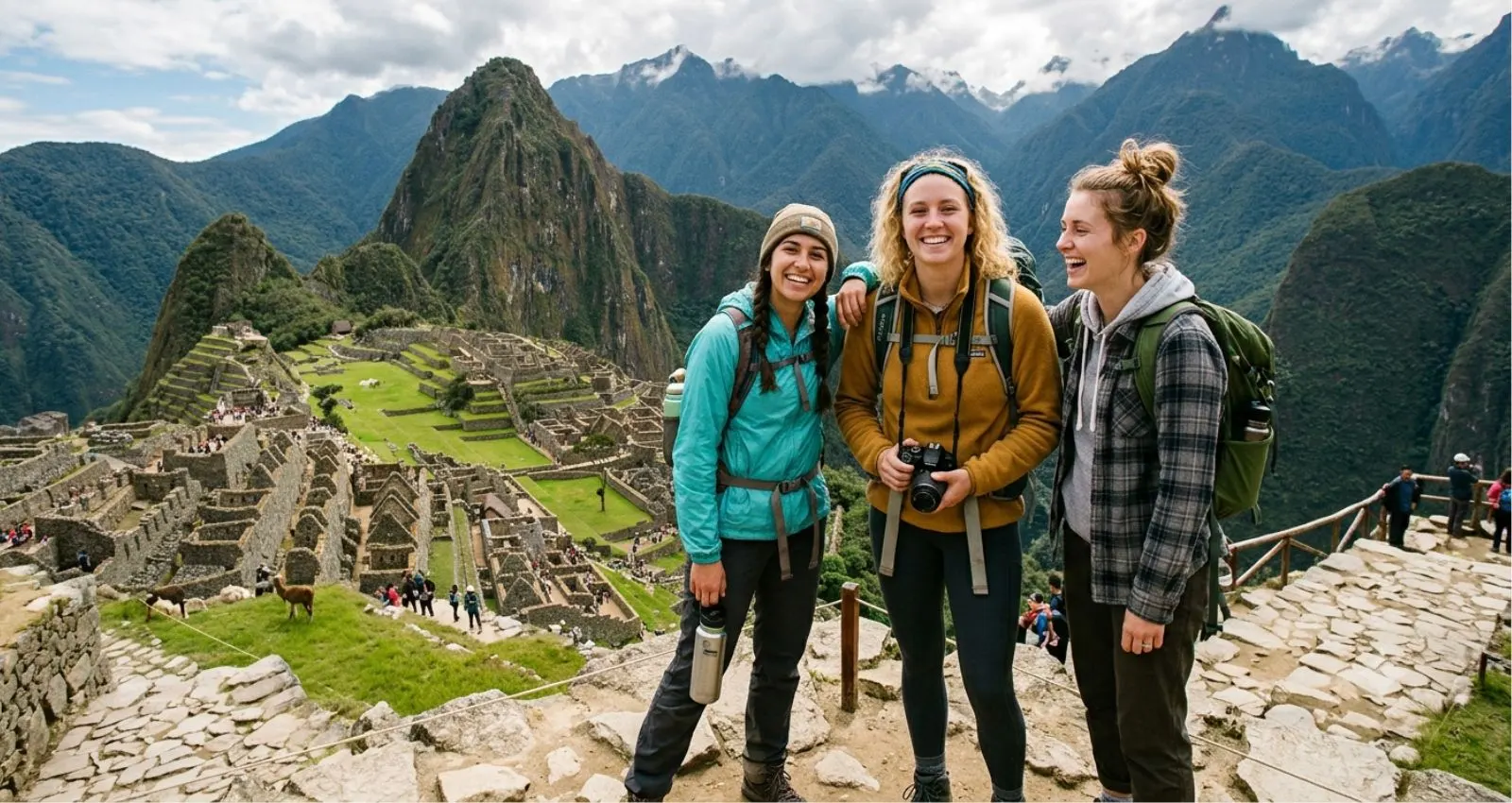
If you’re wondering how to get to Machu Picchu, you’re not alone. Every year, millions of travelers search for the best way to reach Peru’s most iconic destination. Whether you plan to travel by train, hike the legendary Inca Trail, explore the breathtaking Salkantay Trek, or choose a budget-friendly route through Hidroelectrica, planning your journey in advance will make your experience smoother and far more enjoyable.
Although Machu Picchu looks remote on the map, reaching the ancient Inca citadel is easier than many travelers imagine. The key is understanding the available transportation options, how they connect with one another, and which route best matches your travel style, budget, and schedule.
In this complete travel guide, you’ll discover how to get to Machu Picchu from Cusco, Lima, Arequipa, Puno, and other destinations, compare every transportation option, learn about travel times, estimated costs, and receive practical advice from local experts who know the region inside out.
Whether you’re visiting Peru for the first time or returning to explore more of the Andes, this guide will help you plan one of the most unforgettable journeys in South America.
Table of Contents
Where Is Machu Picchu and How to Get to Machu Picchu?
Before deciding how to get to Machu Picchu, it’s helpful to understand exactly where this world-famous archaeological site is located.
Machu Picchu lies in the Cusco Region of southeastern Peru, within the province of Urubamba and inside the Historic Sanctuary of Machu Picchu. Built at an altitude of 2,430 meters (7,972 feet) above sea level, the ancient Inca city sits on a mountain ridge surrounded by lush cloud forests, deep valleys, and dramatic Andean peaks.
Contrary to what many first-time visitors believe, Machu Picchu is not located in the city of Cusco. Instead, it is approximately 80 km (50 miles) northwest of Cusco in a straight line, but because of the mountainous terrain, the actual journey takes several hours using a combination of road transportation, train services, buses, or hiking trails.
The closest town is Aguas Calientes, officially called Machu Picchu Pueblo. Almost every visitor passes through this small town before entering the archaeological sanctuary.
One reason getting to Machu Picchu is unique is that there are no public roads leading directly to the entrance. Unlike many famous landmarks around the world, you cannot simply drive to the site.
Instead, every visitor must choose one of several transportation methods:
- Scenic train journeys through the Sacred Valley
- Multi-day trekking routes like the Classic Inca Trail or Salkantay Trek
- Budget routes through Hidroelectrica
- Shuttle buses from Aguas Calientes
- Hiking from Aguas Calientes to the main entrance
Each route offers a completely different experience, making the journey itself an important part of the adventure.
Why Is Machu Picchu Worth Visiting?
Machu Picchu is much more than Peru’s most famous tourist attraction. It is considered one of the greatest engineering achievements of the Inca civilization and one of the most extraordinary archaeological sites ever built.
Constructed during the 15th century under Emperor Pachacuti, the city remained hidden from the outside world for centuries until it gained international attention in the early twentieth century.
Today, visitors come not only to admire its impressive stone architecture but also to experience the breathtaking natural surroundings that make this destination unlike anywhere else on Earth.
Walking through its ancient temples, agricultural terraces, ceremonial plazas, and panoramic viewpoints offers a glimpse into the remarkable knowledge the Incas possessed in architecture, astronomy, agriculture, and hydraulic engineering.
The surrounding cloud forest is equally impressive, home to hundreds of bird species, orchids, butterflies, spectacled bears, and countless native plants that thrive in this unique ecosystem.
For many travelers, the journey to Machu Picchu becomes one of the highlights of their entire trip to South America.
How to Get to Peru Before Visiting Machu Picchu
Since Machu Picchu is located deep within the Peruvian Andes, international travelers must first arrive in Peru before continuing toward Cusco.
For most visitors, the main gateway is Jorge Chávez International Airport (LIM) in Lima, Peru’s capital city. This modern airport receives direct international flights from North America, Europe, South America, and several destinations in Central America.
Depending on your country of origin, you may also find connecting flights through cities such as Bogotá, Panama City, Santiago, Madrid, Miami, Houston, Dallas, Atlanta, Toronto, or Mexico City.
After arriving in Lima, most travelers continue their journey to Cusco by domestic flight.
Although traveling overland is possible from neighboring countries like Bolivia, Chile, Ecuador, or Brazil, flying remains the fastest and most convenient option for visitors with limited vacation time.
Flying to Peru
If your goal is reaching Machu Picchu as efficiently as possible, flying into Lima is highly recommended.
Travelers should consider booking flights several months in advance if visiting during the dry season (May to September), when tourism reaches its annual peak and airfare prices tend to increase.
For greater flexibility, compare flights arriving on weekdays rather than weekends, as prices are often lower.

Expert Tip
Whenever possible, plan to spend at least one night in Lima before flying to Cusco. International flight delays can occasionally cause missed domestic connections, and allowing extra time makes your itinerary much less stressful.
Can You Fly Directly to Cusco?
Some international flights occasionally operate directly to Cusco from nearby South American countries. However, these routes are limited and may change depending on airline schedules and government regulations.
For most international visitors, the standard route remains:
Home Country → Lima → Cusco → Machu Picchu
This is currently the easiest, fastest, and most reliable way to begin your adventure.
Can You Drive to Machu Picchu?
No.
One of the most common questions travelers ask is whether they can drive directly to Machu Picchu.
The answer is no.
There are no public roads connecting Cusco or the Sacred Valley to the citadel. Visitors must combine different means of transportation depending on the route they choose.
Option 1: Travel by Train (Most Popular)
Taking the train is the easiest and most comfortable way to reach Machu Picchu.
The journey begins in either Ollantaytambo or Poroy (depending on the season and train schedule) and follows the spectacular Urubamba River through the Sacred Valley.
Advantages
- Fast
- Comfortable
- Beautiful scenery
- Ideal for families
- Suitable for seniors
Estimated Travel Time
Cusco to Ollantaytambo:
1.5–2 hours by road
Train to Aguas Calientes:
1.5–2 hours
Bus to Machu Picchu:
25 minutes
Total travel time:
Approximately 4–5 hours.
Option 2: Hike the Inca Trail
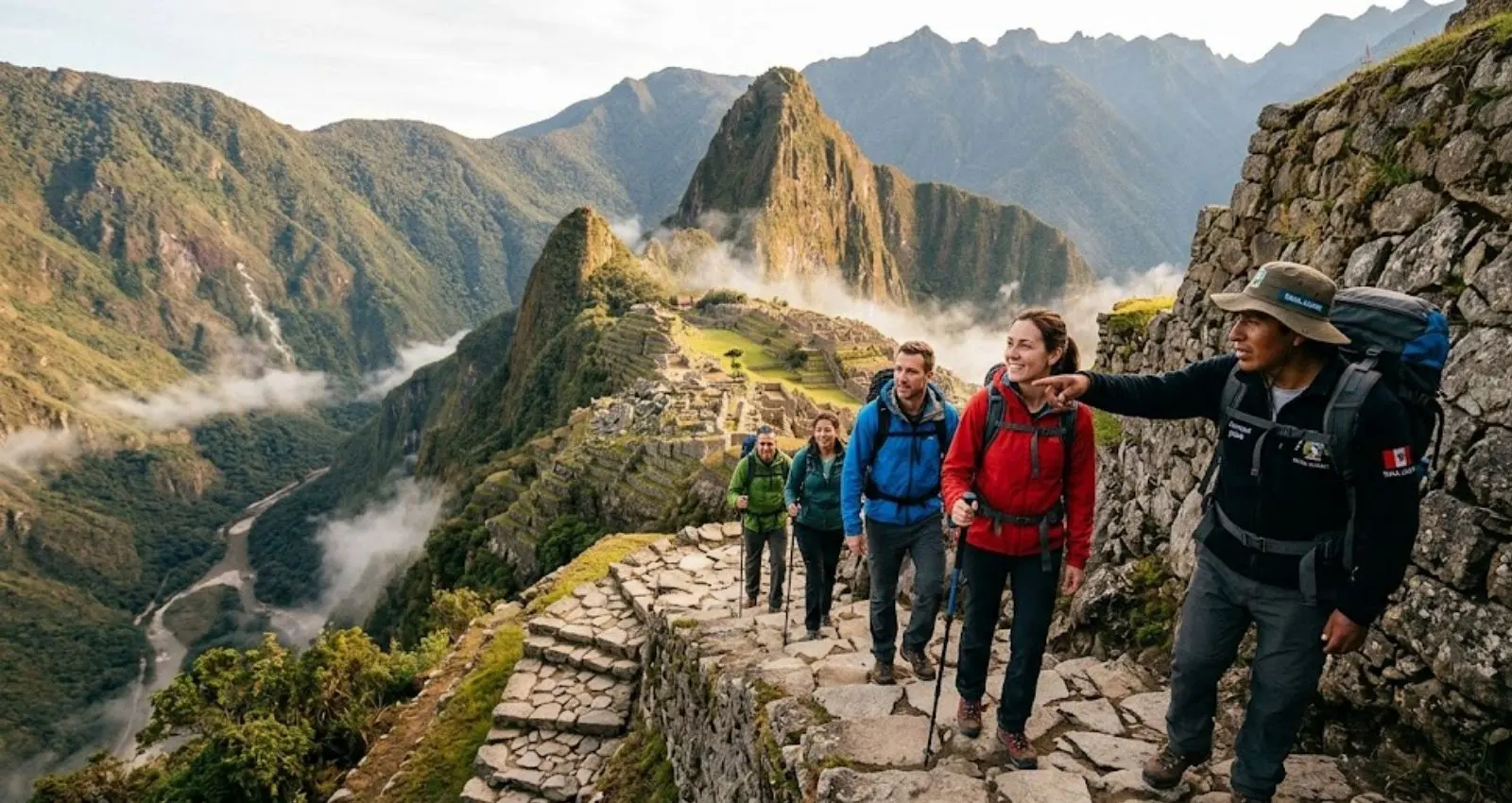
The Classic Inca Trail is considered one of the world’s greatest trekking routes.
Unlike the train, hikers arrive through the Sun Gate (Inti Punku), enjoying their first panoramic view of Machu Picchu exactly as the Incas did centuries ago.
This trek usually takes four days and requires booking permits several months in advance.
Ideal for:
- Adventure travelers
- Hiking enthusiasts
- Nature lovers

Option 3: Salkantay Trek
The Salkantay Trek has become one of Peru’s most popular alternatives to the Inca Trail.
This route crosses high mountain passes, turquoise lakes, cloud forests, and remote Andean villages before arriving at Machu Picchu.
It does not require government permits like the Inca Trail, making it an excellent option for last-minute travelers.

Option 4: Inca Jungle Trek
The Inca Jungle Trek combines:
- Mountain biking
- Hiking
- Optional rafting
- Ziplining
It is designed for travelers seeking a more adventurous experience before reaching Machu Picchu.
Option 5: Lares Trek
The Lares Trek is famous for its authentic cultural experiences.
Visitors pass traditional Quechua communities where local customs, weaving techniques, and ancient farming practices remain largely unchanged.

Which Route Is Best?
Train
Best for:
- Families
- Seniors
- Luxury travelers
- Limited vacation time
Inca Trail
Best for:
- First-time hikers
- History lovers
- Bucket-list experiences
Salkantay Trek
Best for:
- Adventure travelers
- Mountain scenery
- Flexible schedules
Lares Trek
Best for:
- Cultural immersion
- Photography
- Less crowded trails
Estimated Costs
Costs vary depending on the season, train category, accommodation, and whether you travel independently or with a guided tour. Budget travelers can reduce expenses by combining local transportation and hiking routes, while premium services offer greater comfort and convenience.
Best Time to Visit Machu Picchu
The dry season (May to September) generally offers the clearest skies and excellent hiking conditions.
The rainy season (November to March) features greener landscapes and fewer visitors, although rainfall is more frequent.
April and October are often considered excellent shoulder-season months because they combine pleasant weather with moderate crowds.
Essential Tips Before You Go
- Purchase entrance tickets well in advance.
- Carry your original passport.
- Arrive in Cusco at least two days early to acclimatize to the altitude.
- Pack rain protection regardless of the season.
- Wear comfortable hiking shoes.
- Bring sunscreen and insect repellent.
- Carry reusable water bottles where permitted.
- Confirm train schedules before departure.
Frequently Asked Questions
Can I visit Machu Picchu without hiking?
Yes. Most visitors travel by train followed by a shuttle bus.
How many days do I need?
A minimum of two days is recommended, although three to four days allows time to explore Cusco and the Sacred Valley.
Is the train worth it?
Yes. It is the fastest and most convenient option for travelers with limited time.
Can I visit on my own?
Yes. Independent travel is possible if you reserve entrance tickets and transportation in advance.
What is the cheapest way to get to Machu Picchu?
The Hydroelectric route combined with a hike to Aguas Calientes is generally the most economical option, though it requires considerably more travel time and physical effort.
Final Thoughts
There is no single best way to reach Machu Picchu—it depends on your travel style, budget, and available time. Whether you choose the comfort of the train or the adventure of a multi-day trek, planning ahead will ensure a smoother experience and help you make the most of one of the world’s most extraordinary destinations.

