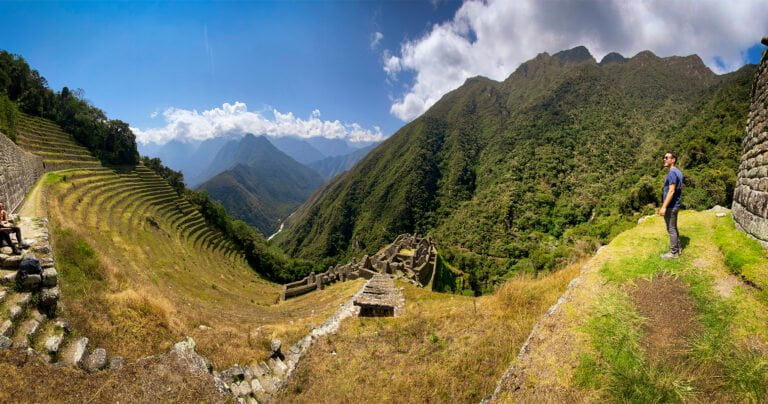
Hiking the Classic Inca Trail to Machu Picchu is a bucket-list activity, but it is not a walk in the park. It is a grueling, high-altitude journey that rewards preparation and punishes negligence.
To ensure you enjoy the stunning Andean scenery rather than just suffering through the physical exertion, you need accurate, actionable advice. These Inca Trail tips are designed to help you prepare, pack, and conquer the trail with confidence.
Table of Contents
Pre-Trek Preparation and Logistics
1. Book Permits 6–8 Months in Advance
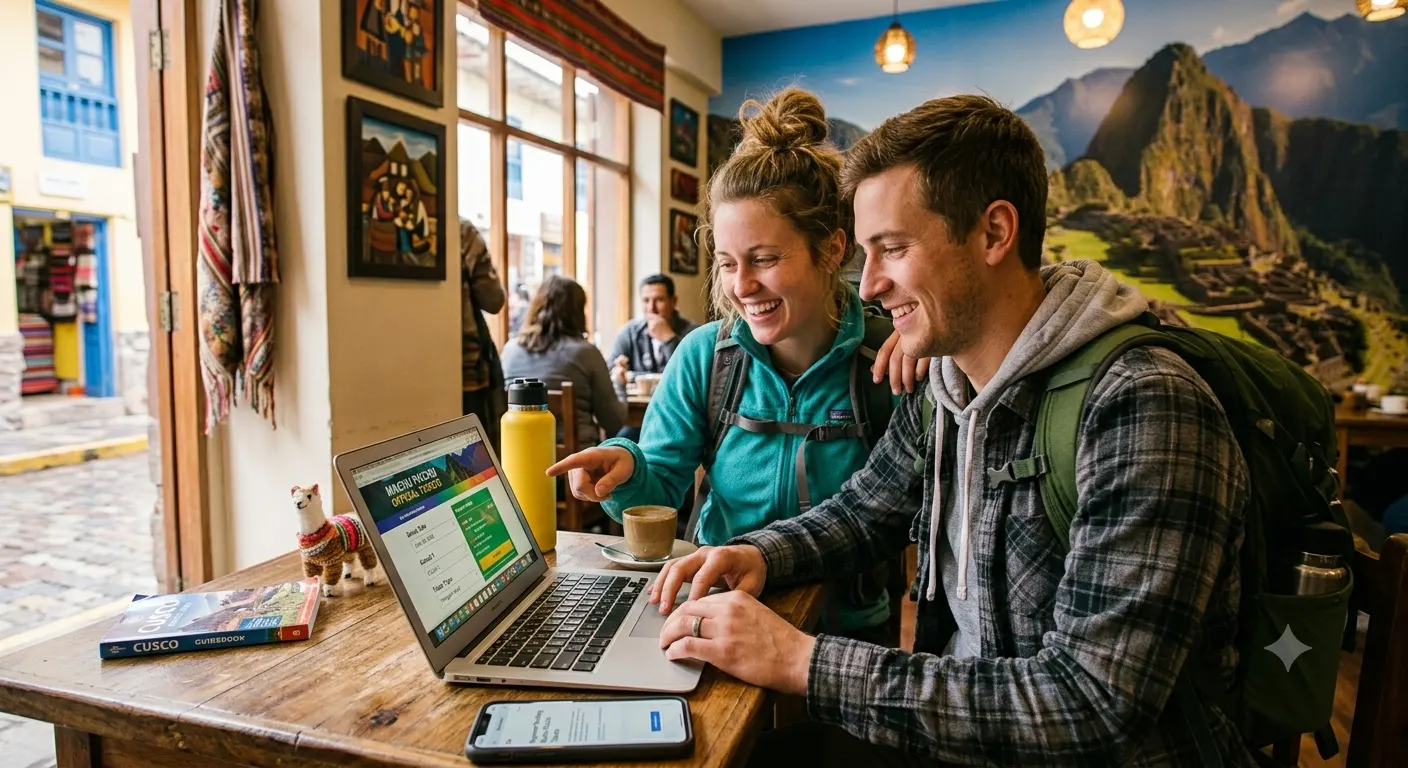
This is the most critical logistics aspect of your planning. The Peruvian government limits Inca Trail permits to 500 per day, and this includes guides, porters, and cooks. You cannot hike the trail independently. You must book through a licensed agency, and spots sell out sometimes almost a year in advance for peak season (May to August). Check the official regulations on booking guidelines before securing your trek.
2. Acclimatize in Cusco for at Least 48 Hours
Do not fly from sea level to Cusco and start trekking the next day. The highest point on the trail, Dead Woman’s Pass, sits at 4,215 meters (13,828 ft). If you are not acclimatized, Acute Mountain Sickness (AMS) will likely ruin your trek. Spend at least two nights in Cusco (3,400m) before you begin. Drink coca tea, stay hydrated, and avoid alcohol.
3. Train Specifically for Stairs
The Inca Trail is not flat. It is composed primarily of uneven, Inca-laid stone stairs. Train your quadriceps, hamstrings, and calves by climbing stairs or using a StairMaster at your local gym. Focus on endurance rather than speed. This physical preparation is one of the most practical Inca Trail tips you can implement on Day 2 when you tackle the infamous “Gringo Killer” stairs.

Packing and Gear Checklist

4. Invest in Good Hiking Boots (And Break Them In)
Do not wear brand-new boots on Day 1. Your boots should be waterproof, provide ankle support, and possess a solid grip for slippery stones. Wear them for at least a month before your trip on hikes with similar elevation changes to identify potential blister hotspots. Good quality hiking socks are also mandatory.
5. Master the Art of Layering
You will experience all four seasons in one day. Mornings are freezing, but you will heat up quickly once you start moving. By mid-day, it can be hot.
Use a layering system:
- Base Layer: Moisture-wicking material (like merino wool or synthetic). Never wear cotton next to your skin.
- Mid-Layer: A fleece or light down jacket for insulation.
- Outer Layer: A waterproof and windproof jacket (like Gore-Tex).
6. Pack Light (Respect the Porter Weight Limits)
Your agency will assign a weight limit (usually 5-7kg) for the items you give to the porter to carry. The remaining gear goes in your daypack. Your daypack should only contain the essentials: water, snacks, raincoat, sunscreen, insect repellent, and camera. Every extra kilogram will feel like ten after three days of trekking.
In-Trail Survival Strategies and Inca Trail Tips
7. Use Trekking Poles
Trekking poles are not just for older hikers; they are joint savers. They significantly reduce the impact on your knees and ankles, especially during the relentless downhill sections. They also provide balance on uneven stone steps. They are essential for both ascents and descents.
8. Bring Insect Repellent and Use It Often
The lower sections of the trail, particularly near Wiñay Wayna and Aguas Calientes, are infested with tiny sandflies that have a painful, lingering bite. Standard insect repellent works, but you must reapply it frequently. Keep it handy in your daypack.
9. Bring Cash in Small Soles
You will need cash for tips for your porters, cooks, and guides at the end of the trek. You will also want cash to buy water or snacks from local vendors during the first two days or to use the flush toilets in Aguas Calientes on Day 4. Bring small denomination Peruvian Soles (PEN) as vendors rarely have change for large bills.
10. Bring a Power Bank for Your Electronics
There are no electrical outlets on the trail. If you rely on your phone or camera for photos, bring a fully charged, high-capacity power bank. Cold temperatures drain batteries faster, so keep your electronics inside your sleeping bag at night to preserve their charge.
Ready to Start Your Adventure?
Now that you are armed with these essential Inca Trail tips, you are ready to book your journey. For more comprehensive planning advice, you can check out our ultimate machu picchu trek or view our selection of premium Sacred Valley Private Tours to perfectly complement your mountain trek.
For the most up-to-date regional trail condition updates and park rules, make sure to visit the Official Peruvian Ministry of Culture Website before booking your permits.