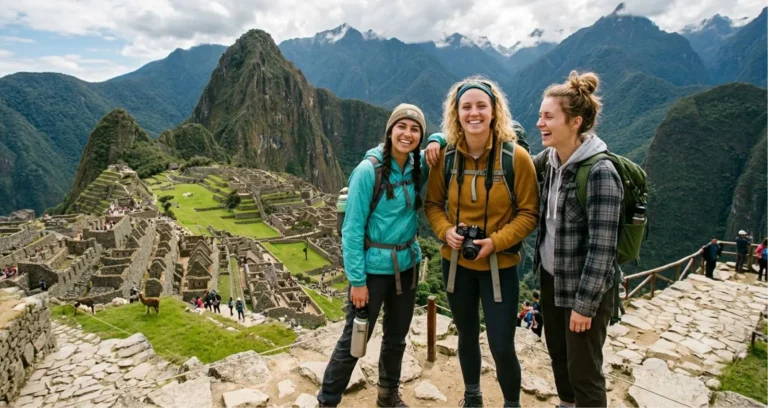
Planning a trip to Peru is an exciting adventure, filled with dreams of wandering ancient Inca ruins, exploring the Amazon jungle, and tasting world-class cuisine. However, navigating a new country smoothly requires a bit of inside knowledge. From managing the sudden high altitude to understanding local currency quirks, being prepared makes all the difference. To ensure a safe, fun, and seamless journey, here are 10 essential things to know before traveling to peru.
Table of Contents
1. Altitude Sickness is Real (But Manageable)
If your itinerary includes Cusco, Machu Picchu, or Lake Titicaca, you will be landing at serious heights. Cusco sits at 3,400 meters (11,152 feet) above sea level.
- The Tip: Give yourself at least 24 to 48 hours to acclimate before doing any heavy trekking. Drink plenty of water, avoid heavy meals or alcohol on your first day, and try the local soroche pills or traditional coca tea.
2. You Cannot Flush Toilet Paper
This is one of the most common surprises for first-time visitors. Peru’s plumbing systems and waste pipes are narrow and not designed to handle paper products.
- The Rule: In almost every hotel, restaurant, and public restroom across the country, you must throw your used toilet paper in the small trash bin next to the toilet, never down the bowl.
3. Cash is King (And Keep it Crisp)
While major hotels and high-end restaurants in Lima and Cusco accept Visa and Mastercard, smaller shops, street markets, taxis, and local restaurants (picanterías) operate strictly in cash using the Peruvian Sol (PEN).
- The Quirky Rule: If you exchange US dollars or Euros into Soles, ensure your bills are pristine. Many local banks and vendors will completely refuse foreign bills that have even a tiny tear, fold, or ink mark.
4. Distances and Geography at a Glance
Peru is a massive country divided into three distinct geographical zones: the Coast, the Highlands (Andes), and the Jungle (Amazon). Traveling between them takes time.
| From | To | Travel Time (By Bus) | Travel Time (By Flight) |
| Lima | Cusco | ~21 to 24 hours | 1 hour 20 mins |
| Cusco | Puno (Lake Titicaca) | ~7 hours | N/A |
| Cusco | Puerto Maldonado (Jungle) | ~10 hours | 45 mins |

5. Do Not Drink Tap Water
To avoid getting a stomach bug that could ruin your vacation, never drink untreated tap water in Peru.
- The Tip: Stick strictly to bottled water, which is cheap and widely available. Use bottled water even for brushing your teeth, and be cautious with raw salads washed in tap water at budget eateries.
6. Soles vs. Dollars: What to Use?
The official currency is the Peruvian Sol (PEN). While some tour operators and upscale hotels list prices in US Dollars ($), they will almost always give you change in Soles at a lower exchange rate if you pay with cash. Always carry local Soles, especially small denominations (10, 20, and 50 Sol bills), as breaking a 100 Sol bill can be tough for small vendors.
7. Tipping Etiquette is Modest
Unlike in North America, tipping is not deeply embedded in Peruvian culture, but it is highly appreciated in the tourism sector.
- Restaurants: A 10% tip is standard in tourist areas if service isn’t already included.
- Taxis: Taxis do not expect tips; you simply agree on a fixed price before stepping inside the car (they do not use meters).
- Guides & Porters: Tipping your tour guides and trail porters is highly recommended as a direct sign of gratitude for their hard work.
8. Pack for Multiple Climates in One Day
Because of the varied terrain and high elevations, the weather in the Andes can fluctuate wildly. You might start your morning in Cusco freezing in a heavy jacket, strip down to a t-shirt by midday under the intense high-altitude sun, and need a rain poncho an hour later. Layering is your best strategy.

9. Buy Your Machu Picchu Tickets Months in Advance
Due to strict regulations to preserve the historic sanctuary, daily entries to Machu Picchu are strictly capped. Tickets across the various circuits sell out months ahead, particularly for the dry peak season between May and October. Do not land in Peru expecting to buy an entrance ticket at the gate.
10. The Culinary Scene Goes Way Beyond Ceviche
Peru has been voted the world’s leading culinary destination multiple times for a reason. While Ceviche (raw fish cured in citrus) dominates the coast, make sure to try highland staples like Lomo Saltado (stir-fried beef), Rocoto Relleno (stuffed spicy peppers), and local Andean potatoes.
Ready to Explore?
Now that you are armed with the essential facts, you are ready to navigate Peru like a seasoned pro. Keep an open mind, stay hydrated, and enjoy the incredible warmth of the Peruvian people.